

Introduction
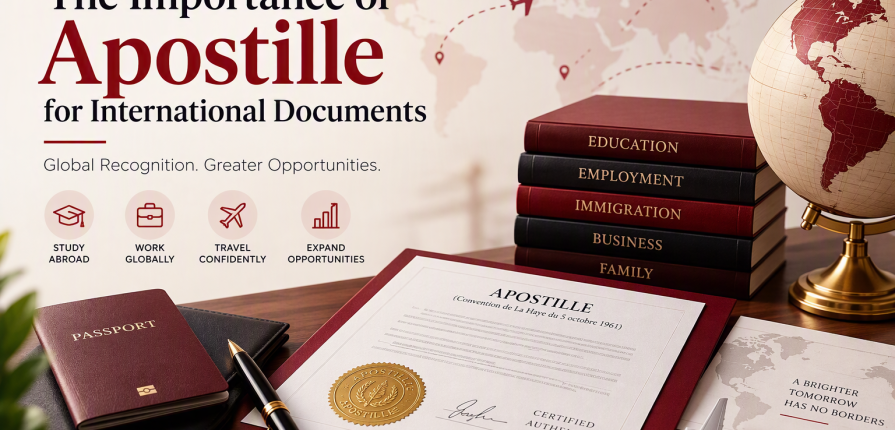
In an increasingly connected world, people and businesses regularly cross international borders for education, employment, immigration, marriage, and business opportunities. When official documents are used in another country, they often need to be authenticated to prove they are legitimate. This is where an apostille becomes essential.
What Is an Apostille?
An apostille is a certificate issued by a designated government authority that verifies the authenticity of a public document. It confirms that the signature, seal, or stamp on a document is genuine, allowing it to be recognized in countries that are members of the Hague Apostille Convention. This eliminates the need for lengthy and complicated legalization procedures through multiple government agencies and embassies.
Why Apostille Certification Matters
One of the most important benefits of an apostille is that it ensures international acceptance of official documents. Without proper authentication, foreign authorities may reject documents, leading to delays, additional expenses, and administrative challenges. Apostilles provide confidence that documents are authentic and can be relied upon by institutions, governments, and organizations abroad.
Benefits of Apostille for Individuals
Apostilles play a crucial role in a variety of personal matters that require international document recognition.
Education Abroad
Students applying to universities overseas may need apostilled diplomas, degrees, and transcripts. Educational institutions use apostilles to verify the authenticity of academic credentials issued in another country.
Overseas Employment
Professionals seeking employment abroad often require authenticated educational records and professional certifications. Apostilled documents help employers confirm qualifications and streamline hiring processes.
Immigration and Visa Applications
Immigration authorities frequently request apostilled birth certificates, marriage certificates, police clearance certificates, and other personal records as part of visa, residency, or citizenship applications.
International Marriage
Individuals planning to marry in a foreign country may be required to provide apostilled personal documents to verify their identity and eligibility for marriage.
Advantages of Apostille for Businesses
Businesses operating globally often depend on apostille services to meet international legal and regulatory requirements.
International Business Expansion
Companies expanding into foreign markets may need apostilled corporate documents such as certificates of incorporation, business licenses, and certificates of good standing.
Cross-Border Agreements
International contracts, powers of attorney, and corporate resolutions often require apostille certification to ensure they are recognized and enforceable in another jurisdiction.
Banking and Investment Transactions
Financial institutions and investors may request apostilled corporate or personal documents before opening accounts, processing transactions, or approving investments abroad.
How Apostilles Help Prevent Fraud
One of the most significant advantages of apostilles is fraud prevention. In international dealings, there is always a risk of forged or altered documents. The apostille process adds a layer of verification that helps confirm a document’s authenticity. This increases trust between governments, educational institutions, employers, financial institutions, and business partners.
Common Documents That Require Apostille Certification
Some of the most frequently apostilled documents include:
- Birth certificates
- Marriage certificates
- Death certificates
- Educational diplomas and degrees
- Academic transcripts
- Police background checks
- Powers of attorney
- Corporate formation documents
- Business licenses
- Court orders and legal affidavits
Requirements may vary depending on the destination country and the purpose of the document.
Consequences of Not Obtaining an Apostille
Failing to obtain an apostille when required can result in:
- Rejected applications
- Delayed visa processing
- University admission issues
- Employment setbacks
- Business registration delays
- Additional legal and administrative costs
- Missed international opportunities
Proper authentication helps avoid unnecessary complications and ensures smoother international transactions.
Conclusion
As globalization continues to increase, apostilles have become an essential tool for international document recognition. They simplify the authentication process, support legal compliance, reduce bureaucracy, and provide assurance that documents issued in one country can be trusted in another.
Whether you are planning to study, work, live, invest, or do business abroad, obtaining an apostille is often a critical step toward achieving your goals successfully. By ensuring your documents are properly authenticated, you can save time, reduce risk, and move forward with confidence in an increasingly global world.
Recent Comments